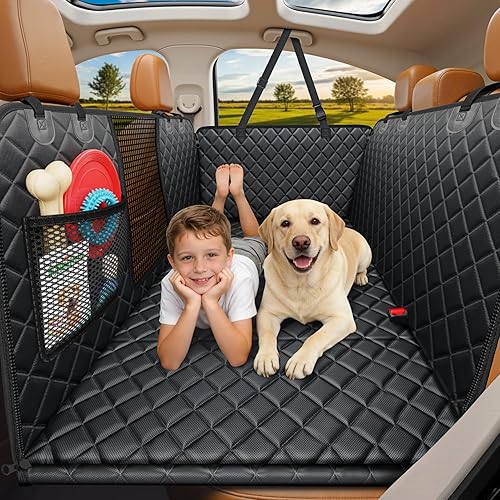
New dog homecoming

Welcoming a shelter dog: the calm starter kit

Your new dog does not need a mountain of gear. They need a safe ride home, calm meals, a gentle routine, and a person who is not overwhelmed. This kit covers the first week for first-time owners — and is honest about what to skip.

Disclosure: Club Hachiko may earn from qualifying purchases. Choose based on fit, size, and what the shelter tells you about your dog.
See the starter kit ↓
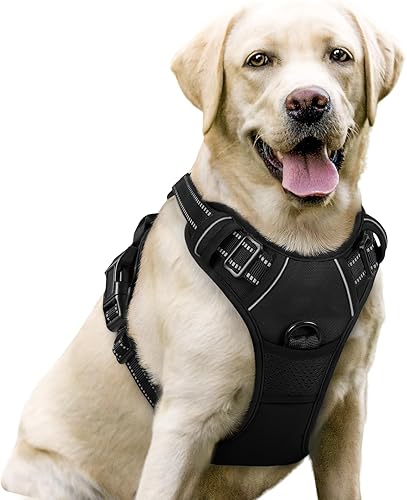
Before the shopping list

The 3-3-3 rule sets the pace

Shelter and rescue folks use a simple rhythm for how adopted dogs settle in. Gear helps, but this timeline matters more than anything you can buy.

3

3 days to decompress

Your dog may hide, skip meals, or sleep constantly. Keep the house quiet, skip visitors, and let them approach you. This is normal, not a problem to fix.

3

3 weeks to learn the routine

Feeding times, walk times, sleeping spot. Personality starts to show — including quirks the shelter never saw. Keep introductions slow and predictable.

3

3 months to feel at home

Trust settles in. This is when training sticks, the real temperament shows, and your dog starts acting like the house is theirs. Because it is.

The starter kit

What actually earns a spot in week one

Every pick below comes from a full Club Hachiko comparison page, so you can dig into the reasoning before buying. Sizes matter — ask the shelter for your dog's weight and chest measurement before ordering.

As an Amazon Associate, Club Hachiko may earn from qualifying purchases.

What we have not tested yet

You will also need a crate or gated safe space, a flat bed, a standard 6-foot leash, and an ID tag with your number on it — ideally before pickup day. We have not run full comparisons in those categories yet, so we will not pretend to have a pick. Buy plain and sturdy, skip retractable leashes for a dog you barely know, and upgrade later once you know how your dog sleeps, chews, and walks.

What to skip buying for now

  • Fancy toys in bulk — one soft toy and one chew is plenty until preferences show.
  • Training gadgets — routine and treats do the early work.
  • Supplements — see how eating, coat, and stress settle first.
  • Clothing and costumes — trust first, wardrobe later.
Vet first, gear second: book a vet visit for the first few days, bring the shelter's medical records, and ask about diet, parasite prevention, and anything the shelter flagged. If your new dog is not eating by day three, seems painful, or has vomiting or diarrhea that is not settling, call the vet — that is not a shopping problem.
After the first week

When you are ready for more

Somewhere out there, a dog is waiting for you too — Club Hachiko