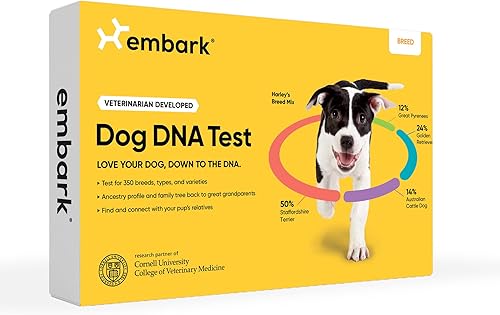
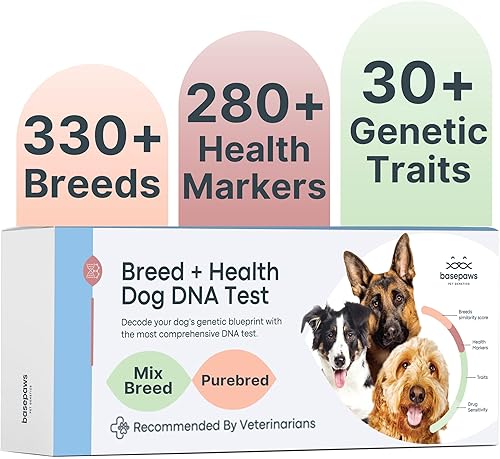
Dog-DNA comparison page

Best Dog DNA Tests for Breed ID and Health Insights

Dog DNA tests sit somewhere between useful, fun, and easy to overinterpret. They can help owners understand breed mix, traits, relatives, and some health flags, but they should not replace veterinary judgment.

Club Hachiko dog-care icon
Hachiko’s shopping ruleStart with your dog’s comfort, then compare. If the fit feels wrong, skip it.
Disclosure: Club Hachiko may earn from qualifying purchases. Choose based on fit, size, ingredients, and your dog’s routine.
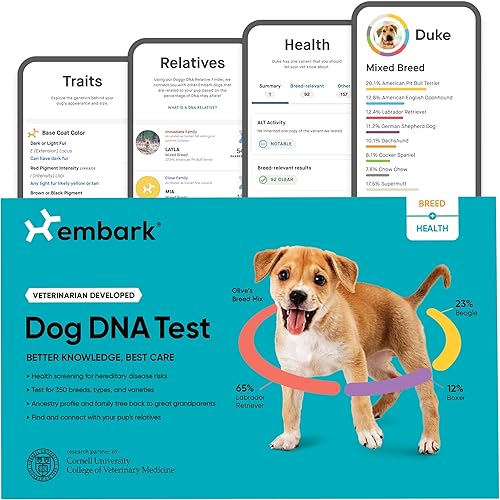
Recommended products

Choose from the shortlist

Start with the product style that matches your dog and your routine. The images lead to the exact Amazon listings, so you can compare details, current price, sizes, and reviews before choosing.

As an Amazon Associate, Club Hachiko may earn from qualifying purchases.

Short version: the best dog DNA test depends on what you actually want: breed curiosity, health screening, relative matching, or a more complete profile for a rescue dog.

What matters most in this category

  1. Database size. Breed results are only as useful as the reference database behind them.
  2. Health scope. Health add-ons vary. Read what is tested before paying more.
  3. Actionability. Interesting does not always mean medically decisive.
  4. Privacy and account experience. DNA tests involve data, accounts, and reports you may keep for years.
Test angleBest fitWhat to watch for
Breed ID testOwners mainly curious about mix, traits, and rescue-dog backstory.Overreading small breed percentages.
Breed plus health testOwners who want more context to discuss with a vet.Treating screening as diagnosis.
Relative finderOwners who enjoy social/curiosity features.Not every dog will have useful matches.
Age or trait add-onsOwners who want novelty or a fuller profile.Extra cost for information that may not change care.
Who it is for

Best fit

Rescue-dog owners, mixed-breed owners, curious families, and anyone who wants more context about behavior, size, traits, and potential health conversations.

What “Customers say” should focus on

  • Were breed results believable and detailed?
  • Was the health report understandable?
  • Did the sample process work smoothly?
  • Were updates and relatives useful?
  • Did customers understand limitations?
How to choose well

Match the product to the actual problem

Club Hachiko should talk about this category with practical standards first: who it helps, where owners usually get disappointed, and what to check before buying.

Helpful next reads

Related next reads

Use the related guides below when you want more context before choosing.

Dog DNA test comparison: breed ID, health screening, or purebred confirmation?

OptionBest forStrengthWatch-outRecommendation
Breed + health testMixed-breed owners wanting the fullest pictureBreed mix plus health markersHighest price tierBest overall information value
Breed identification kitCurious owners mostly asking “what is my dog?”Lower-friction breed answerLess health detailBest cheaper starting point
Purebred DNA testBreeders and purebred ownersBreed-specific confirmation/contextNot aimed at every pet ownerBest niche use case
Alternative DNA kitComparing databases and reportsSecond opinion / different interfaceDatabase depth variesUseful if price or reporting differs
Buy smarter

What to prioritize

  • Treat breed percentages as useful estimates, not destiny.
  • Health markers are screening signals, not a diagnosis.
  • The best test is the one with clear reports and transparent uncertainty.
Avoid

Common mistakes

  • Overreacting to health-risk flags without a vet conversation.
  • Assuming breed mix predicts behavior perfectly.
  • Choosing only by price if health screening is the real goal.

Bottom line

Dog DNA tests are a good northstar category because they mix curiosity, care, and conversation. The page should make the product fun without pretending it answers every health or behavior question.

Back to all product comparisons →