Comparison page

Salmon Oil vs Fish Oil for Dogs

This question sounds bigger than it really is. In most cases, the label quality, EPA and DHA clarity, and daily usability matter more than whether the bottle says salmon oil or fish oil on the front.

Club Hachiko dog-care icon
Hachiko’s shopping ruleStart with your dog’s comfort, then compare. If the fit feels wrong, skip it.
Disclosure: Club Hachiko may earn from qualifying purchases. Choose based on fit, size, ingredients, and your dog’s routine.
View fish oil details
Recommended products

Choose from the shortlist

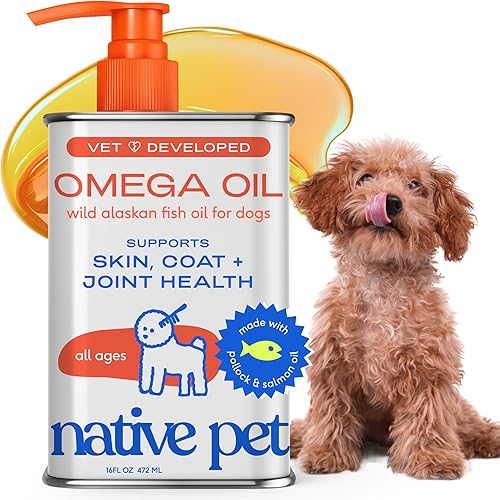
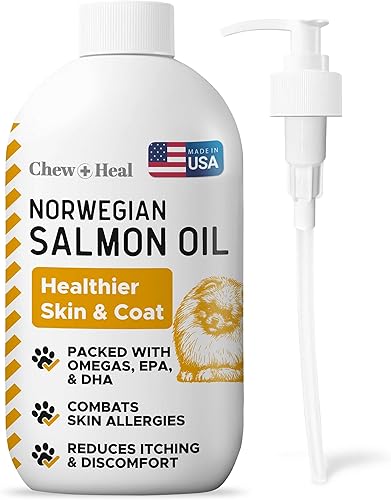
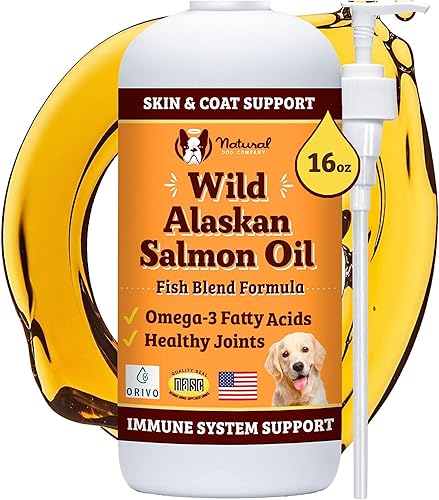
Start with the product style that matches your dog and your routine. The images lead to the exact Amazon listings, so you can compare details, current price, sizes, and reviews before choosing.

As an Amazon Associate, Club Hachiko may earn from qualifying purchases.

Short answer: salmon oil is a type of fish oil. The real question is not “salmon or fish oil?” It is “how strong is the EPA and DHA, how easy is it to dose, how well does my dog tolerate it, and does the bottle still make sense once I do the math?”

When the difference matters

Sometimes it does matter. Some buyers care about source, sustainability, smell, or how the product is positioned. But plenty of dogs will do fine with either one if the formula is solid and the dosing is sensible.

QuestionSalmon oilGeneral fish oil
Marketing appealUsually stronger. “Salmon oil” sounds specific and premium.Broader label. Can be clear or vague depending on the brand.
What matters mostEPA + DHA strength, label clarity, tolerance, and bottle value still matter more than the source name.
Source clarityOften easier for buyers to picture.Can be mixed-source, which is not automatically bad if the label is honest.
Buying riskThe biggest risk is still weak label clarity or poor daily usability, not the source category itself.
What I would prioritize

Clarity over category

If a product makes the EPA and DHA numbers obvious, doses cleanly, and does not create daily friction, that matters more than fancy source language.

What “Customers say” should focus on

  • Does the smell bother dogs or owners?
  • Is the pump clean or annoying?
  • Do buyers mention coat or itch improvement?
  • Are there repeat stomach complaints?
  • Does the bottle feel worth the price for larger dogs?
Recommended starting point

Why this can still work as a reference option

Club Hachiko can still sit here as a useful reference option. The current story is simple: wild Alaskan pollock + salmon blend, straightforward dosing language, and a product that fits the site’s existing itchy-skin and allergy cluster.

View fish oil details →

Helpful next step

Do the math before you compare

Use the dosage calculator and the bottle duration calculator. That usually makes the decision a lot less fuzzy.

Bottom line

If you are choosing between salmon oil and fish oil for your dog, do not get hypnotized by the front label. Look at the active omega-3 content. Look at how easy it is to use every day. Look at whether your dog is likely to tolerate it. Then look at whether the bottle still feels worth it once you know the daily amount.

That is a better buying process than treating “salmon oil” as an automatic win. If you also want to compare the premium krill angle, use fish oil vs salmon oil vs krill oil for dogs.