Feeding-gear comparison page

Best Slow Feeder Dog Bowls for Fast Eaters
Fast eating can turn mealtime into coughing, burping, vomiting, and owner worry. A slow feeder is not a cure-all, but the right design can make meals slower and a little more thoughtful.

Club Hachiko dog-care icon
Hachiko’s shopping ruleStart with your dog’s comfort, then compare. If the fit feels wrong, skip it.
Disclosure: Club Hachiko may earn from qualifying purchases. Choose based on fit, size, ingredients, and your dog’s routine.
Recommended products

Choose from the shortlist

Start with the product style that matches your dog and your routine. The images lead to the exact Amazon listings, so you can compare details, current price, sizes, and reviews before choosing.

As an Amazon Associate, Club Hachiko may earn from qualifying purchases.

Short version: the best slow feeder bowl matches your dog’s size, snout shape, and frustration level. The goal is slower eating, not making dinner so annoying that your dog gives up or chews the bowl.

What matters most in this category

  1. Dog size and snout shape. Flat-faced dogs, puppies, and large breeds need different difficulty levels.
  2. Material safety. Stainless steel, silicone, and sturdy food-safe plastic all have tradeoffs.
  3. Cleaning. Deep maze bowls can be gross if they are hard to wash.
  4. Frustration level. A feeder should slow the dog down without turning every meal into a puzzle exam.
Feeder typeBest fitWhat to watch for
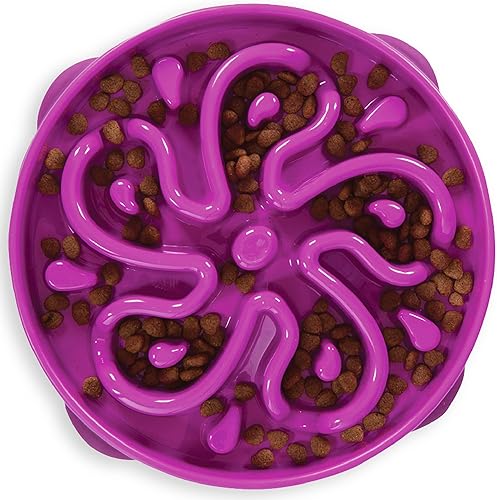
Maze bowlDogs who gulp kibble and need a simple daily slowdown.Hard cleaning and designs too deep for some snouts.
Slow feeder insertOwners who want to keep an existing bowl.Fit issues and sliding around.
Lick matWet food, toppers, crate calm, and gentler enrichment.Chewers and dogs who need a full meal solution.
Puzzle feederDogs who need enrichment plus slower meals.Too much frustration or pieces that are hard to clean.
Who it is for

Best fit

Owners with dogs who inhale food, vomit after meals, seem bored at feeding time, or need a simple enrichment habit that does not require a full training plan.

What “Customers say” should focus on

  • Did it actually slow the dog down?
  • Was it easy to wash every day?
  • Did it fit large kibble or wet food?
  • Did the dog chew or flip it?
  • Was the difficulty fair for the dog’s face shape?
How to choose well

Match the product to the actual problem

Club Hachiko should talk about this category with practical standards first: who it helps, where owners usually get disappointed, and what to check before buying.

Helpful next reads

Related next reads

Use the related guides below when you want more context before choosing.

Slow feeder comparison: bowl, insert, mat, or stainless?

OptionBest forStrengthWatch-outRecommendation
Maze slow feeder bowlMost fast eatersPurpose-built slowdownPlastic can scratch/wearBest default choice
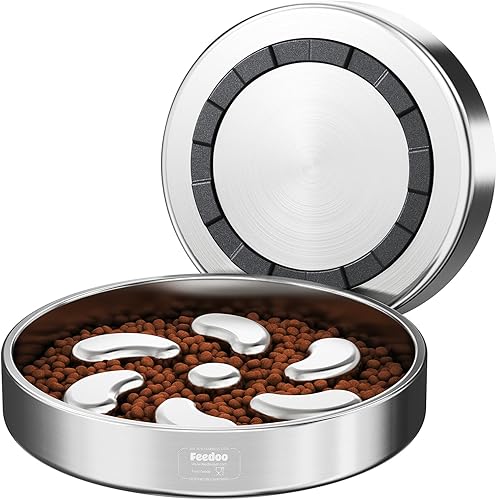
Stainless slow feederOwners avoiding plasticDurable, easier cleaningFewer pattern optionsBest hygiene/durability pick
Silicone insertKeeping an existing bowlCheap and flexibleSuction/fit can failBest trial option
Lick matWet food, treats, enrichmentCalming and easy to portionNot ideal for full kibble mealsBest enrichment add-on
Buy smarter

What to prioritize

  • Match capacity to meal size; overflowing bowls defeat the maze.
  • Use a pattern that slows eating without creating frustration.
  • For determined chewers, durability matters more than cute shapes.
Avoid

Common mistakes

  • Tiny bowls for large-breed meals.
  • Deep mazes that are impossible to clean.
  • Soft inserts for dogs likely to chew loose silicone.

Bottom line

Slow feeders are a good Club Hachiko category because they bridge products, digestion, behavior, and daily routines. The honest advice is simple: pick the design your dog can use calmly and you can clean without resentment.

Back to all product comparisons →