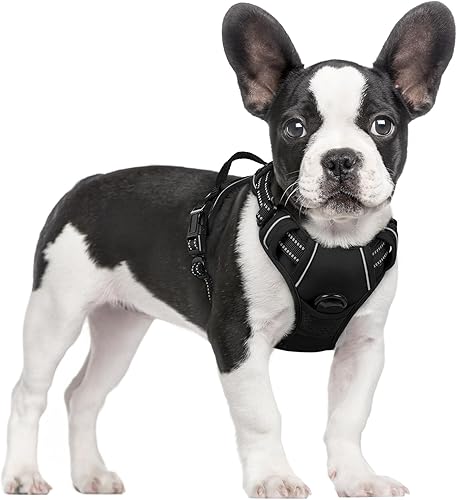
Walking-gear comparison page

Best Dog Harnesses for Pullers, Puppies, and Everyday Walks
Harness pages get sloppy when they pretend one style works for every dog. The right choice depends on pulling, body shape, tolerance, and whether the harness is calm to put on twice a day.

Club Hachiko dog-care icon
Hachiko’s shopping ruleStart with your dog’s comfort, then compare. If the fit feels wrong, skip it.
Disclosure: Club Hachiko may earn from qualifying purchases. Choose based on fit, size, ingredients, and your dog’s routine.
Recommended products

Choose from the shortlist

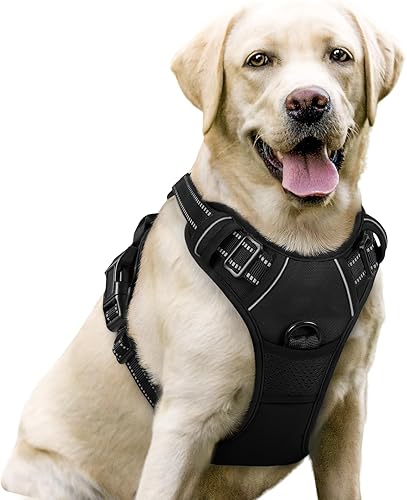
Start with the product style that matches your dog and your routine. The images lead to the exact Amazon listings, so you can compare details, current price, sizes, and reviews before choosing.

As an Amazon Associate, Club Hachiko may earn from qualifying purchases.

Short version: the best dog harness is usually the one that fits the chest cleanly, gives the owner the right amount of control, does not rub the dog raw, and is easy enough to use that it actually stays in the routine.

What matters most in this category

  1. Fit before hype. A famous harness is still a bad buy if it rides into the armpits, twists, or slips over the shoulders.
  2. Control that matches the problem. Pulling, escape risk, puppy training, and everyday neighborhood walks are not the same use case.
  3. Daily friction. If it takes too long to get on, pinches ears, or confuses the owner, it will end up in a drawer.
  4. Hardware and washability. Cheap clips, weak stitching, and hard-to-clean padding are where the regret usually starts.
Harness styleBest fitWhat to watch for
Front-clip harnessDogs who lunge or pull and owners who need more steering help.Can ride sideways if the fit is loose or the dog is much stronger than the setup.
Y-shaped everyday harnessDogs who walk often and need comfort, range of motion, and routine use.Some are comfy but give very little leverage if pulling is the real issue.
Step-in harnessSmall dogs or dogs who hate gear going over the head.Can be easy to put on but not always the strongest choice for serious pullers.
Dual-clip harnessOwners who want flexibility for both training and everyday walking.More straps, more adjustment points, and more room for bad fit if you rush it.
Who it is for

Best fit

This category matters most for owners dealing with leash pulling, new puppies, sensitive dogs who dislike gear, or anyone who wants walking to feel less like a small argument.

What “Customers say” should focus on

  • Did the harness actually reduce pulling or just look nicer?
  • Was it easy to get on and off without a struggle?
  • Did owners report rubbing, escape slips, or clip failures?
  • Did the sizing chart match reality?
  • Did it still feel solid after regular washing and outdoor use?
How I’d structure this category

Calm recommendation pattern

Start with use case, not brand. Help the reader decide whether they need front-clip control, puppy ease, or an everyday comfort harness first. Then narrow the shortlist.

Helpful next reads

Related next reads

This page opens the door to front-clip vs back-clip, puppy walking gear, no-pull leash pairings, and breed or body-shape fit guides.

Bottom line

A good harness page should lower the chance of a bad fit and a frustrating walk. It should help owners match the gear to the problem instead of just showing a pile of similar listings.

That is the kind of practical, everyday help Club Hachiko should offer more often: guidance that makes life with your dog a little easier.